

Collection:Hydraulic Solenoid Valves
Hydraulic solenoid valves switch the oil flow electrically. When the coil is energised, it moves a spool or poppet inside the valve; a spring or a second coil moves it back. This lets a control ... Read more
Hydraulic Solenoid Valves

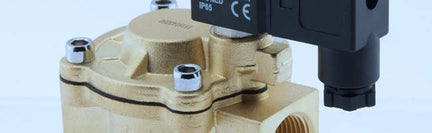
Hydraulic solenoid valves switch the oil flow electrically. When the coil is energised, it moves a spool or poppet inside the valve; a spring or a second coil moves it back. This lets a control system, a PLC or a simple switch operate hydraulic functions, which makes solenoid valves the standard choice for automated or remotely controlled movements.
Choose the valve type by the job it does. 2/2-way solenoid valves open or close one line, for example to release or lock a cylinder, switch a circuit branch on or off, or unload a pump. 6-2-way solenoid valves are diverters that let one directional valve work two actuators in turn. NG6 (D03) directional control valves, as 4-2-way and 4-3-way valves, start, stop and reverse a cylinder or hydraulic motor.
The design also determines how the valve is installed and how tightly it seals. 2/2-way and 6-2-way valves are usually inline valves with threaded ports, while NG6 valves mount on standard sub-plates and can be combined with sandwich valves. Seat valves close with a poppet and are practically leak-free; spool valves always have a small internal leakage, so a load that must stay in position needs a seat valve or a pilot-operated check valve.
Then select by switching function, flow, pressure rating and connection, and choose a coil voltage and connector that match the control system.