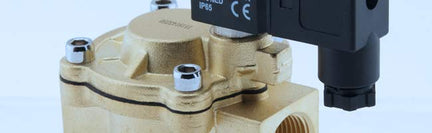



Collection:4/3-Way In-line Pneumatic Solenoid Valves
4/3-Way In-line Pneumatic Solenoid Valves are essential components in pneumatic systems, offering precise control over the flow of compressed air. These valves feature four ports and three posit... Read more
Subcategories

4/3-Way In-line Pneumatic Solenoid Valves

4/3-Way In-line Pneumatic Solenoid Valves are essential components in pneumatic systems, offering precise control over the flow of compressed air. These valves feature four ports and three positions, allowing for versatile operation in various industrial applications. They are designed to direct air flow between multiple outlets, making them ideal for controlling pneumatic cylinders, actuators, and other air-powered devices.
These valves come in different configurations to suit specific operational needs. Some models are spring-centered, ensuring a neutral position when not energized, while others may have different detent or pilot-operated mechanisms. The solenoid actuation allows for quick and reliable switching between positions, enhancing the overall efficiency of pneumatic systems.
When selecting 4/3-Way In-line Pneumatic Solenoid Valves, consider factors such as operating pressure range, flow capacity, response time, and electrical specifications. The valve's body material, seal type, and port size are also crucial for ensuring compatibility with existing systems. Additionally, pay attention to the valve's mounting options and any specific certifications required for your application, such as those for use in hazardous environments.
These valves find applications in a wide range of industries, including manufacturing, automation, packaging, and material handling. They are particularly useful in systems requiring precise control of bidirectional movement or the ability to hold a neutral position. By choosing the right 4/3-Way In-line Pneumatic Solenoid Valve, users can optimize their pneumatic systems for improved performance, energy efficiency, and operational flexibility.