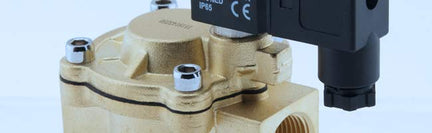



Collection:2/2-Way In-Line Pneumatic Solenoid Valves
2/2-Way Inline Pneumatic Solenoid Valves are essential components in pneumatic systems, designed to control the flow of compressed air or gases. These valves feature two ports and two positions,... Read more


2/2-Way In-Line Pneumatic Solenoid Valves

2/2-Way Inline Pneumatic Solenoid Valves are essential components in pneumatic systems, designed to control the flow of compressed air or gases. These valves feature two ports and two positions, allowing for precise control of air flow in a single direction. Typically used in applications where on/off control is required, these valves are crucial in various industrial and automation processes.
The inline design of these solenoid valves allows for easy integration into existing pneumatic systems, minimizing space requirements and simplifying installation. They are available in different sizes and configurations to accommodate various flow rates and pressure requirements. When selecting a 2/2-way inline pneumatic solenoid valve, consider factors such as operating pressure range, flow capacity, response time, and compatibility with the working fluid.
These valves find applications in a wide range of industries, including manufacturing, packaging, automotive, and process control. They are commonly used in pneumatic cylinders, actuators, and other air-operated equipment where precise control of air flow is critical. The solenoid actuation provides quick and reliable operation, making these valves suitable for both high-speed and low-frequency cycling applications.
When choosing a 2/2-way inline pneumatic solenoid valve, it's important to consider the valve's construction materials, seal type, and electrical specifications to ensure compatibility with the intended application and environment. Proper selection and installation of these valves can significantly improve the efficiency and reliability of pneumatic systems, contributing to overall process optimization and reduced maintenance requirements.